


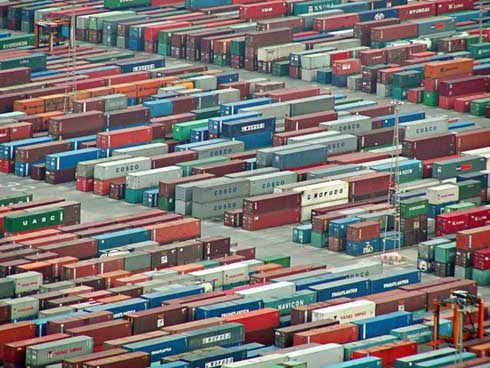
Европа Внос
С увеличаване на туризма, както и влошаване на търсенето от страна на местното население, особено след създаването на ЕС, Европа внос са виждали нарастване на търсенето. Има много продукти, най-вече от храни и селскостопански индустрии, които са в търсене на европейските народи.
Франция, Холандия, Италия, Испания, Турция, Великобритания и Германия, заедно с други важни държави от Европа, са били в постоянно търсене на суровини и готови продукти от всички краища на света. Тези страни търсят нефт и енергията от САЩ и Близкия Изток, а те разчитат на юг-изток азиатски страни за дърводобив, дървообработване и агро-базирани доставки. Китай е голям доставчик на крайни продукти, електроника, като повечето от тях идват от състоянието на Тайван и индийската ИТ индустрия е и превръщането му глави към Европа за устойчив растеж.
Почти всички по-големи развиващи се страни като Бразилия (което износът кафе в много части на Европа), Китай и Индия са започнали с цел за по-добър дял в Европа внос пай. Тази тенденция е особено качват, тъй като сегашната глобална криза, след което компании, занимаващи се с клиенти в САЩ и Япония, са започнали по пътя към Европа за устойчив растеж и по-добри нива на инвестициите.
Турция е търсещ трикотаж артикули и сурови материали от Индия и Китай. Голяма част от Европа внос се състои от земеделски продукти и риболова. От памук и скариди с дървени материали, по-голямата част от Европа внос върти около тези позиции. Компаниите в Европа търсят такива суровини се насочват към Индия и Китай, най-вече заради ниската цена на суровините се предлагат от частни и държавни фирми в тези страни.
Експортиране на продуктите, за Европа не е толкова лесно и тъй като повечето от тях са обработени храни или храни базира елементи, те трябва да изчистите някои много строги проверки на качеството. Напоследък някои шоколадови барове и продукти, като например соево ГМ храни са забранени в Европа, благодарение на строгите правила, въведени от властите там. Така че, преди да имате намерение да изнася своя продукт в Европа, се уверете, че тя отговаря на техните стандарти за качество, иначе може да има промяна на поръчки, и може дори лицето глоба от регулаторните органи.
Публикувано под Европа Блог
Тази публикация е написана от Admin на декември 2008
Китай за износ представляват голям процент от Европа внос. А някои дори казват, че европейската икономика разчита на тази важна за страната.
Вие сте споменати някои интересни факти за Европа, благодаря ти за споделянето.
Европа вноса са по-голям брой, но този континент също има много износ. Да мислиш за автомобилната индустрия, например. Германските коли са много популярни в чужбина и не само. Италиански автомобили също.
Естествено Европа има много на вноса и износа. Ето защо европейската икономика е една от най-силните икономики в света. Може би тя ще се превърне в най-силен един ден.
Интересни факти за Европа наоколо.
Бен, Европейска икономика, не е силен, защото на Европа внос, но благодарение на износа. Той износа на широк спектър от продукти.
Да, Европа вноса много. Но както вече споменахме, Европа също износ. Освен храна и напитки, машини, инструменти и др automotives също са широко изнесени.
По мое мнение, Китай ще се превърне в най-силна икономика в света. По-голямата част от Европа внос са представени от китайските продукти. И европейската икономика може да разчита на тях.
Аз съм планирате пътуване с жена си в Хърватия през следващото лято,
и търсят компания, която наеми апартаменти
Къде по Cratian острова.
Дали някой има опит с хърватските туристически агенции?
Добре, че Споменахте тези факти за Европа; европа вноса много, но тя също така е важно exeports.
За пример, Европа е една от най-големите износители на продукти, произведени от естествени камъни!