


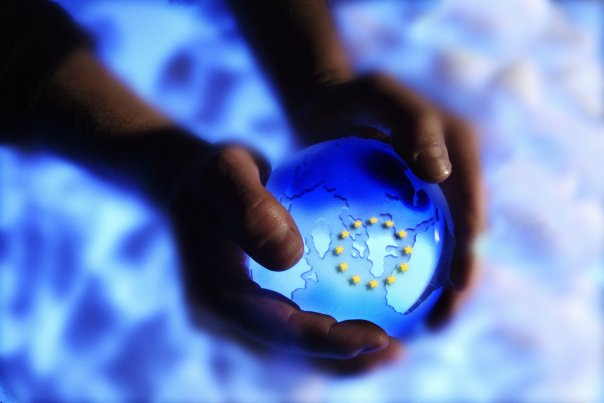
الاتحاد الاوروبي الرمز
الاتحاد الأوروبي ، وتشكلت في عام 1951 ، وظلت منذ ذلك الحين من خلال التوسع في عملية التوسيع التي تتم أساسا على إنشاء المزيد من البلدان والدول الأعضاء. واليوم ، فإن الاتحاد الأوروبي 27 دولة ، مع رومانيا وبلغاريا ويجري أحدث الإضافات في عام 2007. الهدف الرئيسي وراء تشكيل الاتحاد الأوروبي لامركزية السلطة الحكومية من حيث التجارة والشؤون الخارجية.
الرهان لعضوية الاتحاد الأوروبي هي في الواقع عالية. أنه ليس من السهل أن يكونوا أعضاء في الاتحاد الأوروبي ، وهناك بعض المعايير الصعبة التي يتعين الوفاء بها فيما يتعلق بالاستقرار السياسي والاقتصادي للبلد ، على النحو المنصوص عليه في معاهدة كوبنهاجن. وبصرف النظر عن تحقيق هذه ، لا بد ان تكون مستقرة وديمقراطية وغيرها من الدول ال 27 الأعضاء والبرلمان الأوروبي وينبغي الاتفاق على إدراج المعنية البلاد الى الاتحاد الاوروبي.
كانت هناك تكهنات بأن إضافة أي أكثر من الدول الأعضاء من شأنه أن يعيق سلطة اتخاذ القرار في الاتحاد الأوروبي ، وبالتالي ، فإن الاتحاد الأوروبي تنص على أن المعاهدة لا يمكن أن يكون هناك مزيد من إدراج. هناك الكثير الذي يجري الاضطلاع به لتخفيف الشروط المنصوص عليها في هذه المعاهدة ومعاهدة أخرى – معاهدة لشبونة ، وتتخذ شكل من الأشكال.
السبب الرئيسي في العديد من الدول غير الاعضاء يريدون أن يكونوا جزءا من الاتحاد الاوروبي هي الحرية التي وتبادل السلع. جميع بلدان الاتحاد الأوروبي سياسة تجارية مشتركة وسوق حرة والبيئة ، وبلا هوادة من أجل السماح لحركة البضائع والمنتجات الزراعية والسمكية وغيرها. الاتحاد الاوروبي كما تتمتع بدرجة عالية في ادارة الشؤون الداخلية لأوروبا والسياسة في أوروبا هي أكثر أو أقل تتشكل على يد الاتحاد الأوروبي. مالي ، لكونها جزءا من الاتحاد الأوروبي تعني سوق كبيرة بما فيه الكفاية للحفاظ دون الحاجة إلى التبادل التجاري مع العالم الخارجي وغيرها من البلدان ، لا تزال قادرة على الحصول على مزايا السوق الحرة ، وهذه السياسة هي التي تجتذب البلدان الذين يحاولون للانضمام الى الاتحاد الاوروبي. ولذلك ، فإن المخاطر شديدة دائما عندما يتعلق الأمر الى الانضمام الى الاتحاد الاوروبى.
بعض البلدان التي يجري النظر في عضويتها ، أو الذين تقدموا لعضوية كرواتيا (التي أفضل المؤشرات الإحصائية من بلغاريا أو رومانيا ، وبالتالي فإنه من المتوقع أن تكون جزءا من الاتحاد الاوروبي بحلول عام 2010) ، جمهورية يوغوسلافيا السابقة مقدونيا (التي تواجه مشاكل بسبب وجود اسمه في الصراع مع اليونان ، التي هي دولة عضو ، واستخدام حق النقض ضد انضمام مقدونيا إلى حين حل القضية الاسم) ، وبلدان غرب البلقان بما فيها بلدان من البوسنة وصربيا وسلوفينيا وألبانيا . دول البلقان وقد تم الاعتراف ممكن من الدول الاعضاء في الاتحاد الاوروبي من قبل البرلمان ، ويمكن إدراجها في أي وقت في المستقبل ، لأن الاستقرار في الاقتصاد والعلاقات التجارية الجيدة من هذه الدول مع بقية دول الاتحاد الاوروبي.
نشرت تحت أوروبا
وقد استمعت اللجنة أيضا إلى أن جورجيا إلا 3 خطوات من كل ما تحتاج. الأزمة في أوسيتيا الجنوبية قد ساعدت جورجيا الاقتراب من الاتحاد.
أوه ، وكذلك ، لا احصل على اليونان لماذا لا تريد السماح لمقدونيا لتكون عضوا. مقدونيا وكان الانقسام في الأيام وعندما أصبح لاحقا للدولة مرة أخرى ، إلا أنها المنطقة التي سيطر عليها صربيا التي حصلت على استقلالها. اليونان وربما ينبغي أن ندعه يذهب فقط لانهم عنيدة جدا لإعطاء كل من مقدونيا بلاده.
الاتحاد الاوروبى والاقتصاد ، والناتج المحلي الإجمالي الاسمي ، وهو أكبر اقتصاد في العالم. علاوة على ذلك ، فإن أوروبا والاتحاد هو أكبر دولة مصدرة للسلع. من الأفضل ان الاتحاد الاوروبي والبلدان النامية في الاقتصاد أفضل من أي وقت مضى.
أنا متأكد من كرواتيا لتكون واحدة من دول الاتحاد الأوروبي. هناك بعض الأسباب التي تجعل لي أن أقول. واحد منهم أنه قادر على مساعدة اتحاد أوروبا.
رغم ذلك ، هناك وضع غير مؤات بلدان الاتحاد الاوروبي. مأكول فإن المنتجات من الدول الاعضاء فى الامم المتحدة أقل صحية أكثر من غيرها من البلدان التي لم تنضم إلى الاتحاد الاوروبي. جميع الفواكه والخضروات تعامل مع الكثير من المواد الكيميائية.
ايك vind het دوم كعب ، zijn إيه جي 27 landen én toont maar 20 vlaggen