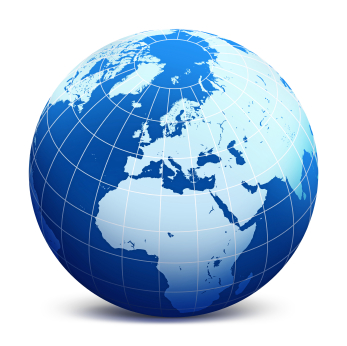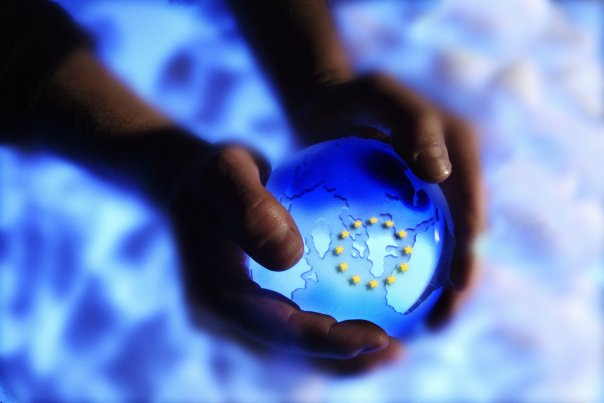
European Union symbol
The European Union was formed in 1951, and has been expanding ever since through the process of enlargement, which is basically done with the inception of more countries as member states. Today, the European Union has 27 member states, with Romania and Bulgaria being the latest additions in 2007. The main aim behind the formation of the European Union was decentralization of governmental authority in terms of trade and external affairs.
The stakes for a membership of the European Union are really high. It is not easy to be members of the EU and there are some hard criterion that need to be fulfilled regarding the political and economic stability of the country, as laid down in the Copenhagen Treaty. Apart from fulfilling these, the country must be a stable democracy and all other 27 member states and the European Parliament should agree upon the inclusion of the concerned country into the EU.
There has been speculation that addition of any more member states would hamper the decision taking authority of the European Union and therefore, the EU treaty states that there can be no more inclusions. A lot is being done to relax the conditions laid down in this treaty and another treaty- The Treaty of Lisbon, is taking form.
The main reason why many non-member states want to be a part of the European Union is the freedom by which goods are exchanged. All countries in the EU have a common trading policy and a free market environment, allowing for unabated movement of goods, agricultural products and fisheries among others. The EU also enjoys a high administration degree in the internal affairs of Europe and the politics of Europe are more or less shaped at the hands of the EU. Monetarily, being a part of the EU means a market large enough to sustain without having to trade with other outer world countries, and still being able to get the benefits of a free-market policy and this is a main attraction for countries who are trying to join the EU. Therefore, the stakes are always high when it comes to joining the EU.
Some of the countries whose membership is being considered, or who have filed for membership are Croatia (which has better statistical indicators than Bulgaria or Romania, and is therefore, expected to be a part of the EU by 2010), The Former Yugoslav Republic of Macedonia (which is facing problems because of a name conflict with Greece, which is a member state and will veto against the accession of Macedonia until the name issue is resolved) and the western Balkan countries including the countries of Bosnia, Serbia, Slovenia and Albania. The Balkan states have been recognized as possible member states by the EU parliament and might be included any time in the future because of stability in economy and good trade relations of these states with the rest of the European Union.
Posted under Europe
This post was written by admin on September 29, 2008